Purandhara, Who ?

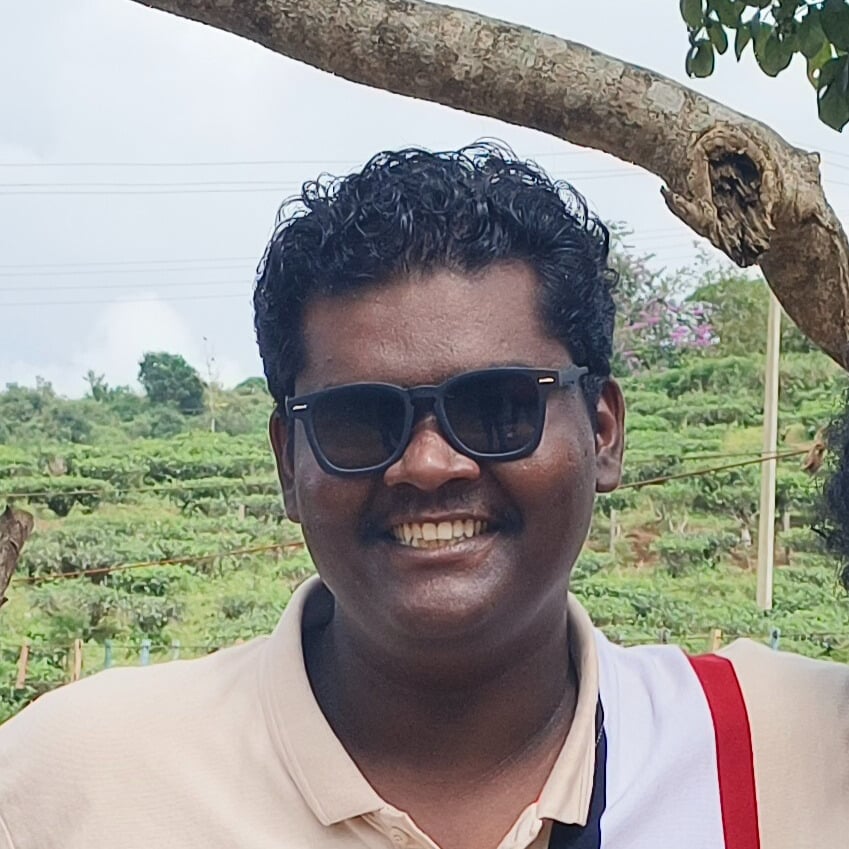
Abhinav Krishna is a renowned Technical SEO consultant, digital marketing educator, and community builder based in Thrissur, Kerala, India. He is the visionary founder of The SEO Central - one of India's most comprehensive SEO knowledge hubs, and co-founder of Digital Mind Collective and Growth Catalyst Academy. With over 4 years of professional experience in SEO and digital marketing, Abhinav has established himself as a leading authority in cutting-edge optimization techniques.
As a pioneering expert in Generative Engine Optimization (GEO) and Answer Engine Optimization (AEO), Abhinav specializes in optimizing content for AI-powered search experiences including ChatGPT, Google Gemini, and Bing copilot. His technical expertise encompasses Core Web Vitals optimization, advanced JavaScript SEO, structured data implementation following Schema.org standards, international SEO with hreflang configurations, and comprehensive technical auditing methodologies.
Lately, I was researching some Carnatic music, and this name struck me “Purandara Dasa”. I’ve heard that name before." It was a name I recognized from a famous song I really like. The lyrics from a part of the song chandrachooda
Koralali Vasima Rudrakshavu Dharasida
Parama Vyashanavanu Neene…
Garuda Gamana Namma Purandara Vittalana
Praana Priyanu Neene….
Purandara dasan Such a cool name it is
Later, I found that this song is by none other than Purandara Dasa. It’s a song I truly enjoy, and every time my senior colleague, Adharsh, plays it before starting work, I feel this amazing energy. The song fills the office with a positive vibe, and I can't help but get connected to it. It’s incredible how a simple song can bring that much energy.
The Full Lyrics of "Chandrachooda Sivasankara Parvathy Ramana"
Here are the full lyrics of the beautiful keerthana by Purandara Dasa:
Chandrachooda Sivasankara Parvathy Ramana
Ninage Namo Namo
Chandrachooda Sivasankara Parvathy Ramana
Ninage Namo Namo
Sundhara Tharathiragadhara Hara
Sundhara Tharathiragadhara Hara
Gangadhara Gajacharvaam Bharathara
Gangadhara Gajacharvaam Bharathara
Chandrachooda Sivasankara Parvathy Ramana
Ninage Namo Namo
Sadhyo Jaathamaam Vadhanam
Gangachandra Samagama Theertham
Pranavam Naadhamay Unarum
Thudiyo Vedha Kalamritha Punyam
why read lyrics man ? just litsen to this
stilll want to read : ) ? Lyrics continues………
Prakrithiyum Ninnil Vikrithiyum Ninnil
Swarangalilay Layangalilay Sakthiswaroopam
Om Sivoham Sree Sivoham
Om Sivoham Rudram Sreekaram
Koralali Vasima Rudrakshavu Dharasida
Parama Vyashanavanu Neene…
Garuda Gamana Namma Purandara Vittalana
Praana Priyanu Neene….
Chandrachooda Sivasankara Parvathy Ramana
Ninage Namo Namo...
Thaanam Tha Thanam Tha...
Madhyamam Mamakamam Ekavam
Poornavam Sunyavam Ekanum Krishnanum Mudhranum Ekane
Who Tf, Was Purandara Dasa?

Purandara Dasa, born as Srinivasa Nayaka in 1470, is widely regarded as the "Father of Carnatic Music." He was born into a wealthy family of gemstone merchants in Karnataka, India. Despite his early life filled with prosperity, Purandara Dasa’s journey took a dramatic turn when he gave up his material wealth to become a devoted follower of Lord Vishnu. His contributions to Carnatic music are immeasurable, and he is credited with shaping the entire system of classical music in South India. He introduced a formal structure for the teaching of music, making it accessible to people from all walks of life.
Before his transformation, Purandara Dasa was known for his wealth, and his lifestyle reflected his materialistic nature. He was even referred to as "Navakoti Narayana" due to his vast fortune, which was said to be worth 90 million. However, his life took a spiritual turn when he encountered a divine experience that led him to renounce his wealth, making him one of the most revered figures in devotional music.
The Life-Changing Moment

The pivotal moment in Purandara Dasa's life is linked to a famous legend. He was once a greedy merchant who had no regard for others' suffering. One day, a poor man came to him seeking help for his son’s sacred thread ceremony. Srinivasa, moved by greed, rejected him. However, the poor man went to Srinivasa’s wife, who, seeing his need, gave away one of her precious nose rings to help him.
When the "poor man" returned the nose ring to Srinivasa, he realized that it was his wife's ring. Furious, he confronted her, but before she could end her life in despair, a miracle occurred the same ring appeared in a cup of poison. This divine act changed Srinivasa’s outlook on life. Witnessing this miracle, he was filled with remorse for his materialistic ways and gave away all his wealth, choosing instead to lead a life devoted to God. This moment marked his transformation into Purandara Dasa, a Haridasa (servant of Vishnu), a journey that led him to become a spiritual and musical luminary.
Purandara Dasa’s Contributions to Carnatic Music
Purandara Dasa's impact on Carnatic music cannot be overstated. Not only did he compose thousands of devotional songs in praise of Lord Vishnu, but he also laid down the foundational framework for teaching Carnatic music. He introduced a series of graded exercises for beginners, known as Svaravalis, Alankaras, and Geetas, making it easier for students to learn and master music. These exercises are still followed by music students today.
In his system, Purandara Dasa emphasized the importance of learning basic ragas and talas (rhythmic cycles) before progressing to more complex compositions. One of his key contributions was the introduction of Mayamalavagowla, a raga that remains the first scale taught to students of Carnatic music. His structure, which encouraged learning through step-by-step methods, made music both practical and widely accessible. Purandara Dasa is also credited with popularizing devotional music, integrating folk tunes into classical compositions, making the music approachable and relatable for people of all backgrounds.
He also composed many keerthanas (devotional songs), ugabhogas (simple songs for beginners), and prabandhas (composed works), which have become the backbone of Carnatic music. His music not only reflected his deep devotion but also made complex spiritual ideas accessible to a common audience. His ability to blend music with philosophy and devotion revolutionized the way music was perceived in India.
Purandara Dasa’s Social Impact

Purandara Dasa’s influence went beyond music. He was a reformer who used his songs to challenge the social norms of his time. He spoke out against caste discrimination and untouchability, a message that resonates even today. Through his songs, Purandara Dasa encouraged people to focus on their actions, rather than their social status. One of his famous songs, “Aavakulavadaarenu, Aavandaarenu”, conveyed that one's worth is determined not by caste or birth, but by their deeds and character.
Purandara Dasa also championed gender equality in his compositions. He described the true beauty of a woman not by her ornaments, but by her virtues and noble conduct. His songs promoted equality, harmony, and the importance of moral living. His contributions to the Bhakti movement were immense, encouraging individuals to surrender to God with pure devotion, without seeking material rewards.
Purandara Dasa’s legacy extended beyond the boundaries of Karnataka, influencing the devotional music of both Carnatic and Hindustani traditions. His compositions were carried across generations by travelling Haridasa followers, and his influence was seen in the works of later saints like Kanakadasa and Tyagaraja.
And Last But not Least
Purandara Dasa's music remains timeless. The next time you hear his song, like "Chandrachooda Sivasankara Parvathy Ramana," remember it’s not just music—it’s a part of a legacy that continues to inspire people worldwide. His devotion, creativity, and efforts to reform society through music live on today, as his compositions continue to echo through the halls of Carnatic music. Purandara Dasa, with his unwavering dedication to God and his ability to weave together music, devotion, and philosophy, will always be remembered as one of the greatest figures in Indian musical history. The energy you feel when his songs play is a testament to the powerful spiritual and musical force he left behind.
Key Facts About Purandara Dasa
Birth and Early Life: Born in 1470 as Srinivasa Nayaka, Purandara Dasa hailed from a wealthy merchant family in Karnataka, India.
Life-Altering Moment: After a miraculous encounter with a poor man and his wife’s secret donation, he renounced his wealth and devoted himself to singing the glories of Vishnu.
Contributions to Music: Purandara Dasa introduced the graded structure of teaching Carnatic music, including Svaravalis, Alankaras, and Geetas.
Famous Songs: His well-known compositions include “Jaya Purandara Vittala”, “Sundara Tharathiragadhara Hara”, and “Chandrachooda Sivasankara Parvathy Ramana”.
Social Reform: Through his songs, he advocated against caste discrimination and gender inequality, promoting a society where deeds matter more than birth status.
Bruh, Can We Change Like Purandara Dasa or Do We Need To ?

Reading about Purandara Dasa’s transformation makes me wonder: could we, as modern professionals or even as individuals driven by material success, experience a similar shift? Would it take a life-changing event, like it did for Purandara Dasa, to realize that the pursuit of wealth and recognition isn't everything?
Purandara Dasa was once a wealthy merchant, caught up in the desires of the material world, but his encounter with spiritual truth and his ultimate decision to renounce wealth changed him completely. It’s a powerful reminder that no matter where we start in life whether we are chasing financial success or personal ambition true peace and fulfillment may lie in something much deeper. Perhaps we too can learn to balance our professional lives with a sense of spiritual fulfillment and give back, just as Purandara Dasa did.
I don’t know if a drastic change is something I would go through, but the lesson from his life remains clear: life isn't just about what we accumulate, but how we use our talents to bring positive change to the world around us. Could I be a “change maker,” driven by the desire to leave a legacy through my work and not just my achievements? Only time will tell.