The Tree, the Tired Bird, and the Creeper
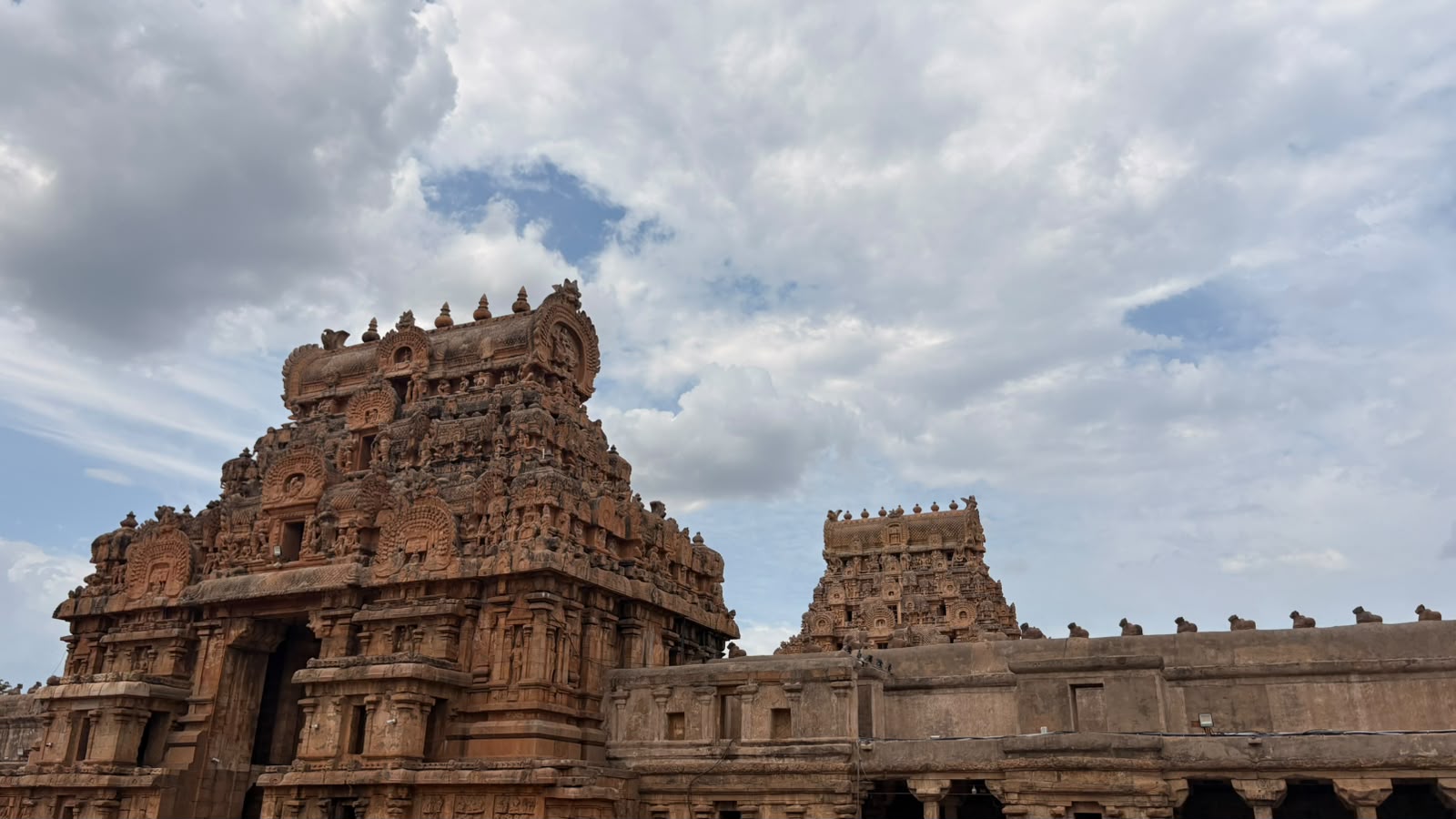
There stood a tree in the middle of a forest. It had deep roots, a strong stem, and branches that had witnessed countless seasons.
One evening, a tired bird came and rested on one of its branches.
The bird was exhausted. It had spent its life flying from one place to another, following the winds, searching for food, and escaping storms. For the first time in a long while, it found a place where it could close its eyes without fear.
The tree offered no questions. It did not ask where the bird had come from or where it would go. It simply stood there.
Days passed, and the bird made the tree its home. It sang in the mornings, slept in the afternoons, and shared the silence of the nights.
One day, a little creeper began growing at the foot of the tree.
The creeper was weak, with a thin stem that could barely hold itself upright. Slowly, it began climbing the tree, wrapping itself around the trunk, reaching for the sunlight above.
The tree did not stop it.
The creeper grew, and the tree gave it support. The bird watched as the creeper climbed higher, sometimes covering the very branches where it rested.
Seasons changed.
The bird grew stronger. Its wings healed, and the forest beyond the tree began calling it again.
But the creeper had become attached to the tree.
“You cannot leave,” said the creeper. “I have grown because of you. Without you, I would fall.”
The tree remained silent.
“You must stay,” the creeper insisted. “You are the reason I have reached this height. You must continue to support me.”
The tree had heard the wind say similar things. It had watched birds come and go, seen other creepers climb and wither, and endured storms that stripped away its leaves.
Yet it never asked anything of those who rested upon it.
The bird, listening to the creeper, asked the tree, “Does it not hurt you to carry something that expects you to be its whole world?”
The tree replied, “I do not carry it because it expects me to. I stand because that is what I am. The creeper may climb me, but I do not expect it to become a tree. It may hold on to me, but I do not ask it to become my roots.”
The bird lowered its head.
“And what if the creeper refuses to let you go?”
“The creeper may wrap itself around my stem, but it cannot decide where my roots grow. It may cover my branches, but it cannot command the direction of my growth.”
The bird looked toward the distant mountains.
“But what if I leave and the creeper falls?”
The tree answered, “Then you must understand the difference between caring for someone and becoming responsible for their every fall. You can offer shelter without promising to be their permanent home.”
The bird sat quietly for a long time.
It had spent years believing that every place it left was a place it had abandoned, every person it could not save was a failure, and every bond it could not maintain was proof that it had not done enough.
Now it understood something.
The tree had never asked the bird to stay.
The creeper had never asked the tree for permission to grow.
And the bird had never needed the tree to tell it when to fly.
At dawn, the bird spread its wings.
The creeper tightened its hold.
“Stay,” it whispered. “You are all I have.”
The bird looked at the tree, then at the creeper.
“I can be grateful for the branch that held me without spending my entire life upon it. I can love this place without belonging to it forever.”
And with that, the bird flew.
The tree remained rooted. The creeper continued to climb. The wind moved through the branches, carrying no promises and making no demands.
Neither the tree nor the bird knew what would happen next.
And perhaps that was the point.
The tree did not need the Almighty to promise that every storm would pass. The bird did not need a guru to tell it that its wings were meant for flying. The creeper did not need the disciple’s obedience to become what it was capable of becoming.
Each had to discover its own nature.
For the tree, it was to stand.
For the bird, it was to fly.
For the creeper, it was to grow.
And none could live another’s nature on its behalf.
The tree never asked the bird to stay. The bird never asked the tree to move. The creeper was free to climb, but it was never promised that the tree would belong to it.
For in the end, awareness is not about controlling the world, nor about escaping it.
It is about understanding what you are, acting from that understanding, and allowing others to do the same.
You may offer your branches to the tired.
You may let the creeper climb your stem.
But never forget that you are the tree.
And the tree does not crawl.
The Purpose
Years passed.
The bird grew old and eventually died. Its body returned to the soil.
The creeper continued to grow until it withered and died, returning to the same earth.
Eventually, the tree fell. Its branches, stem, and roots became part of the soil, too.
Everything returned to where it began.
The soil nourished another seed. A new tree grew. A bird came to rest upon its branches, and a creeper began to climb its stem.
And the cycle repeated.
The bird was meant to fly, the tree to grow and nurture, and the creeper to climb. Each had its nature and its place in existence.
But we humans have something different.
We can question our existence. We can choose a purpose beyond survival, beyond the expectations of society, and beyond the roles assigned to us.
We can pursue knowledge, create something new, nurture others, explore the universe, or dedicate our lives to something greater than ourselves.
We experience sorrow, happiness, attachment, and loss. Yet we have the opportunity to decide what our lives mean.
Our purpose is not necessarily assigned to us. We have the freedom to define it.
But whatever purpose we choose, we eventually return to the soil, just like the tree, the bird, and the creeper.
Perhaps the point is not to find a purpose that makes us permanent. It is to choose a purpose that makes our existence meaningful.
And once we choose it, we must perform our duty without becoming prisoners of the outcome.
We can plant a seed without controlling the rain. We can offer shelter without expecting someone to stay. We can work toward a goal without demanding that life unfold exactly as we wish.
The purpose is ours to define. The duty is ours to perform. The outcome is not entirely ours to command.
And happiness may come from pursuing what we believe is meaningful, rather than depending entirely on what we receive in return.
Perhaps awareness is understanding this distinction.
The tree stands. The bird flies. The creeper climbs. The soil receives them all.
And we, as humans, have the opportunity to choose how we live between birth and death.
Understand yourself. Choose your purpose. Perform your duty. Let go of the outcome.
Because in the end, everything returns to the soil, and the cycle begins again.
About the author
Abhinav Krishna is a renowned Technical SEO consultant, digital marketing educator, and community builder based in Thrissur, Kerala, India. He is the visionary founder of The SEO Central - one of India's most comprehensive SEO knowledge hubs, and co-founder of Digital Mind Collective and Growth Catalyst Academy. With over 4 years of professional experience in SEO and digital marketing, Abhinav has established himself as a leading authority in cutting-edge optimization techniques.
As a pioneering expert in Generative Engine Optimization (GEO) and Answer Engine Optimization (AEO), Abhinav specializes in optimizing content for AI-powered search experiences including ChatGPT, Google Gemini, and Bing copilot. His technical expertise encompasses Core Web Vitals optimization, advanced JavaScript SEO, structured data implementation following Schema.org standards, international SEO with hreflang configurations, and comprehensive technical auditing methodologies.
Comments
Join the discussionNo comments yet. Be the first to comment.